People often think a technical partner will solve their product problems overnight.
Sadly, it rarely works that way.
Before you hand over equity to someone who can write code, you need to know what you’re actually giving up.
In this episode of Tech for Non-Techies, Sophia lays out the five ris...
Can you really lead a tech company if you’re not technical yourself?
David Windley has done exactly that.
He’s the former CHRO at Yahoo, held senior HR roles at Microsoft, Intuit, and Activision, scaled a startup from <$1M to $50M as CEO, and now leads HootRecruit — a recruiting tech company. ...
Some CEOs are already replacing engineers and junior staff with large language models.
But what if the real risk isn’t that AI replaces your team — it’s that it doesn’t, and you’re left without a talent pipeline?
In this episode, Sophia Matveeva breaks down:
-
Why cutting junior hiring today
...
If you're a non-technical founder or leader, you might find developers frustrating to work with.
(They also think the same thing about you)
Developers resist quick changes, seem annoyed by status meetings, and always want the most expensive equipment.
That's not because they are prima donnas.
...
Do you really need a co-founder? There's intense pressure in the startup world to find co-founders, but the data tells a surprising story.
MIT research shows that solo founders are actually more than twice as likely to succeed compared to teams, while Harvard research reveals that 65% of high-po...
A top MBA can be the best investment you make in your career. BUT most business schools haven't adapted to the Digital Age, despite pressure from employers & students.
Listen to this episode if you have an MBA, are considering one, or work at a business school.
You will learn:
- What's missing in ...

If you want to run a start-up, get to the top of a corporate, get headhunted for board roles or become a Smart Money investor, joining an advisory board is a smart move.
But, for advisors, boards can can also become a time drain and a risk to your reputation.
For founders, advisory boards can be ...

A tech start-up begins its life with a tiny team. The founders are either technical or tech savvy, but as the company scales its team has to change.
Learn about the three stages of start-up team growth here.
Learning notes from this episode:
- At stage 1, the start-up is focussed on building its ...

Nasi Rwigema doesn't have a background in software, but that didn't stop him from building his tech platform: Umwuga, a social network for blue collar workers in South Africa. To his surprise, he found that figuring out what people want is much harder than learning about tech.
Nasi is one of Sophia...

Money isn’t enough to hire the best product teams. If you want to hire great people to build your product, you need to convince them that your vision has potential. To do this, techies and non-techies alike need to come prepared.
Learning notes:
- A product is a solution to a problem someone is ex ...
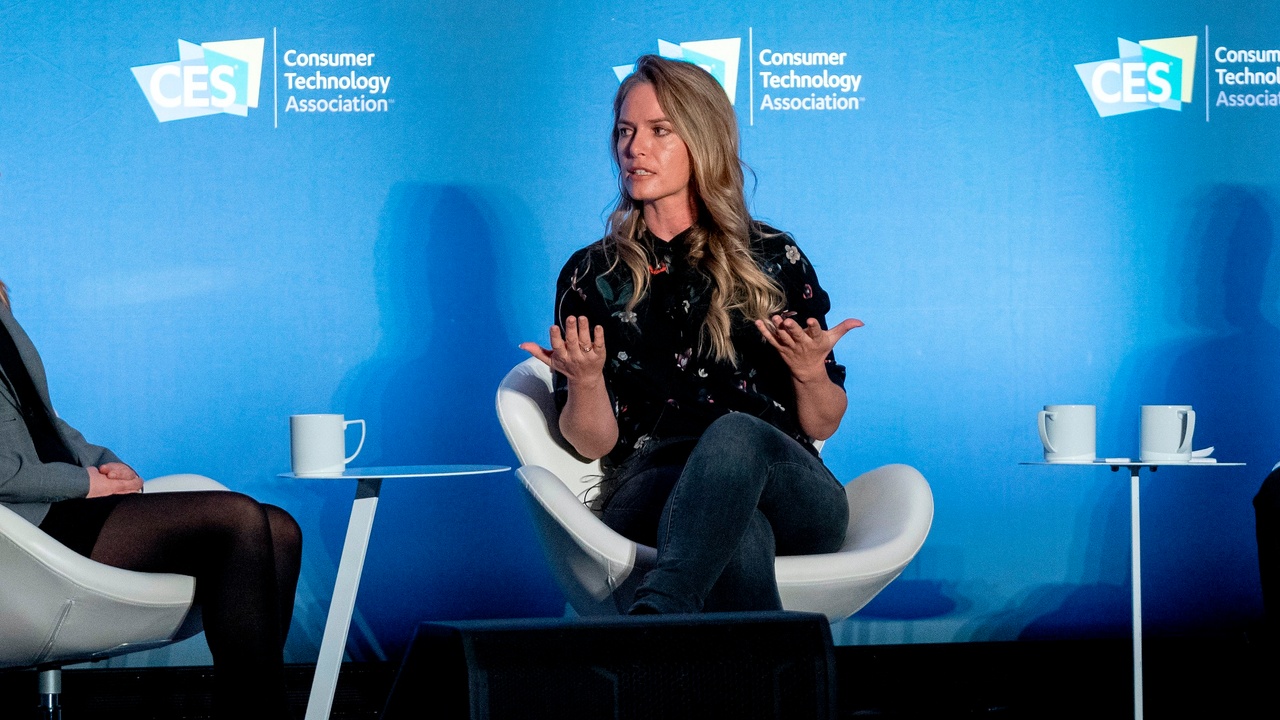
What’s technology for? Tech products can make our lives better and make businesses a lot of money. But, without a focus on the user and on the business, technology is an academic project at best, or just an expensive hobby.
In this episode, you’ll hear from Elisabeth Bohlmann, VP of strategy at Dec...

Product managers combine user perspectives, business needs and technology capabilities in one job. But, what they do day to day varies widely. In this episode, you’ll hear how what PMs do differs between Apple and Amazon from Souvik Bhattacharya, who has worked at both.
This episode is for product ...
Author